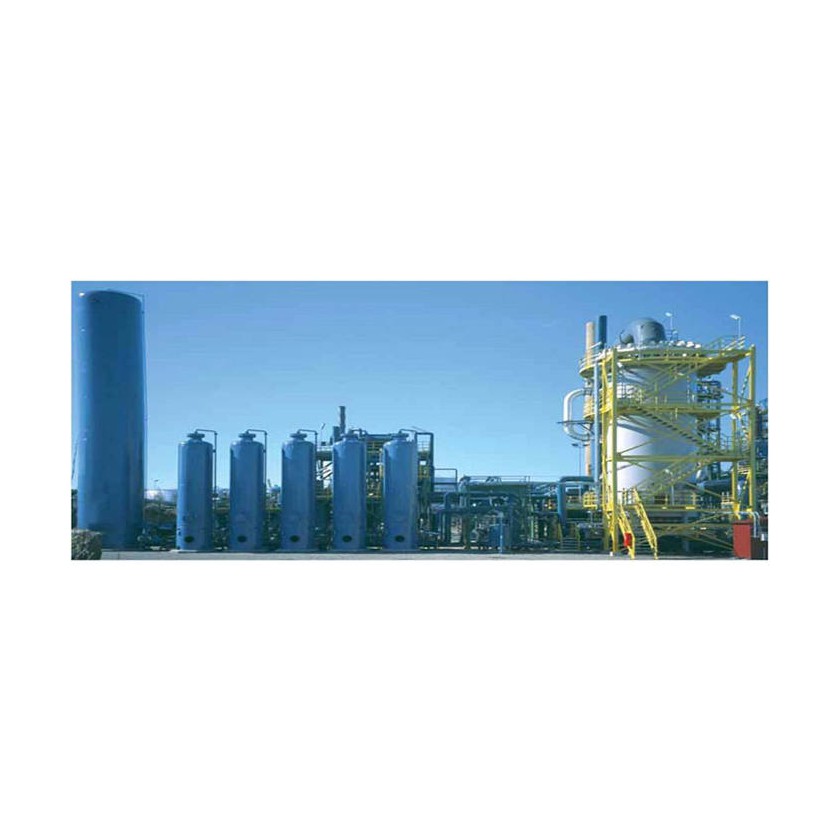
RICH has developed a fast, low-consumption and high-efficiency hydrogen PSA separation process by combining the adsorption characteristics of the independently developed and produced high-efficiency H2 separation adsorbent. The PSA hydrogen separation and purification plant has the characteristics of low investment, high efficiency, simple process, high purity of product gas, high yield out rate, low operating cost, strong applicability of raw gas and convenient load adjustment.
Technical features
Innovative process design
RICH fast, low-consumption, high-efficiency PSA-hydrogen separation and purification process successfully solves the existing H2 separation plant's prevalent problems of high investment, long cycle time and large footprint, significantly improves the PSA-hydrogen unit's utilization efficiency and reduces the PSA-hydrogen plant's one-time investment and long-term operating costs.
High-efficiency adsorbent
RICH uses advanced H2 separation and high-efficiency adsorbents,high-efficiency adsorbent for H2 separation, with large adsorption capacity, leading performance index and strong adaptability to raw gas.
Excellent product index
High purity of H2 product gas (up to 99.999%) and high yield of the hydrogen plant are important for users to save energy and increase efficiency.
PSA Hydrogen Purification Application
For Chemical Synthesis: H2 mainly used as intermediate products or raw materials for chemical synthesis, such as ammonia, methanol, ethylene glycol, butyl alcohol, and photogas synthesis to further generate TDI, MDI, etc.
For Petroleum Refining: H2 used in processes of petroleum refining and petrochemicals, such as hydrocracking, catalytic hydrogenation, hydrorefining, hydrodesulfurization, benzene hydrogenation to cyclohexane, etc.
More information please click here